Regret is a normal part of tattoo culture, and it has three doors, not one. You can remove the tattoo with laser treatment, you can cover it with a new tattoo, or you can live with it, which is a more respectable option than people admit when the piece is harmless and the budget is not there. In Gastonia, the mistake is treating laser removal like an eraser: quick, total, and clean. It is none of those three, and understanding what it actually is will save you time and disappointment.
This guide covers how laser removal works in general terms, what it cannot do, and when a cover-up is honestly the better door.
How laser removal actually works
A removal laser fires very short pulses of light at the ink. The energy shatters pigment particles into much smaller fragments, and over the following weeks your immune system carries those fragments away. That is why removal is a process measured in sessions and months rather than an afternoon: the laser does the breaking, but your body does the removing, at its own pace.
Sessions are spaced weeks apart so the skin can recover and the clearing can happen between visits. Black ink responds best because it absorbs all wavelengths. Colors vary: some respond well, others, particularly certain light blues, greens, and yellows, are stubborn, and white ink can even darken under laser treatment in some cases, which any honest provider should flag before starting.
What laser cannot do
It cannot promise blank skin. Many removals end at heavy fading with a ghost of the original visible, especially with color work, layered cover-ups, or ink placed deep. It cannot work instantly between sessions, because the clearing is biological. It cannot treat all skin tones and all pigments with equal ease, since the laser must distinguish ink from the skin's own pigment. And it cannot remove the cost of waiting: a tattoo you ignore does not fade meaningfully on its own, so the person who spends years disliking a piece, then starts removal, has stacked the years of dislike on top of a removal timeline that was always going to take a year or more.
That last point is the cost of neglect in this trade. A small, fresh regret dealt with early, by either door, stays a small problem. Left for a decade, the same tattoo tends to collect sun damage and line spread that make both removal and cover-up work harder.
When the cover-up is the better door
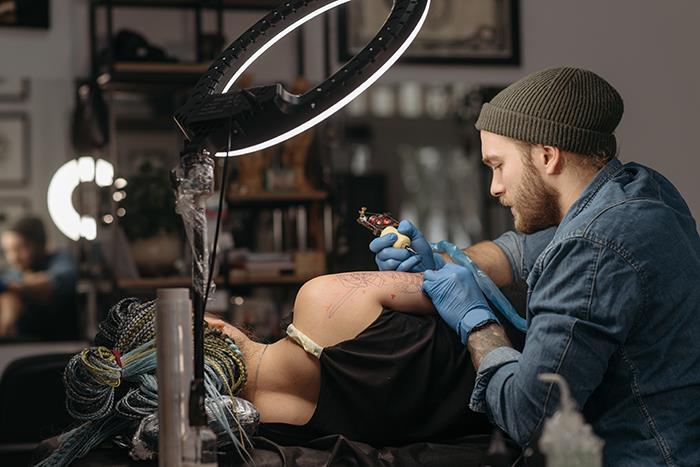
If you still want a tattoo in that spot, just not that tattoo, a cover-up often beats removal outright: fewer total sessions of anything, and you leave with art instead of a blank. Cover-ups need the new design to be larger and typically darker or busier than the old one, which is a design constraint, not a deal-breaker. The middle path is common too: a few laser sessions to lighten the old piece, which widens the cover-up options considerably, then new work over the faded remainder.
Shops like Ivy Moon Tattoo & Apothecary handle the cover-up side of this decision and can tell you plainly whether your old piece is coverable as it sits, needs lightening first, or is a removal-only case. Bring the piece, not a photo of it, because density and texture are judged in person. And if you choose the third door, living with it, choose it on purpose rather than by default. Plenty of imperfect tattoos age into harmless old friends.
Common questions
Does laser removal hurt?
Most people describe it as sharper and quicker than tattooing, like a rubber band snap with heat, and sessions are usually short. Sensitivity varies by placement, same as tattooing.
Can a tattoo be removed completely for a job or the military?
Sometimes, but not reliably, and it takes many sessions over a year or more. If a deadline matters, start the conversation with a removal provider early rather than assuming an eraser exists.
How light does an old tattoo need to be for a cover-up?
It depends on the new design. Dark, busy new work can cover more than fine, pale work can. An artist can judge your specific piece in a consultation, and laser lightening first helps when options are tight.
Photos in this guide are representative stock images.
← All guides from Ivy Moon Tattoo & Apothecary← Back to Ivy Moon Tattoo & Apothecary