A first tattoo is partly a design decision and partly a calendar decision, and in Gastonia the calendar half gets ignored until someone is staring at a fresh piece the week before a lake trip. Piedmont North Carolina has strong seasons: pollen-heavy springs, long hot summers with pool and lake weekends, mild falls, and winters with the occasional ice storm. Each one changes when a tattoo should happen and what the healing weeks will ask of you.
This guide is the seasonal version of first-tattoo planning: design and placement first, pain stated honestly, and then the checklist that ties your appointment date to the season outside.
Design, placement, and the honesty part
For a first piece, scale is the decision people get wrong most often. Detail needs room. A design crammed with fine elements at two inches wide will not stay crisp, because tattoo lines spread slowly as skin ages. Artists who suggest going a little bigger are protecting the design's tenth year, not padding the bill.
Pain, plainly: it varies by placement more than by person. Fleshy, padded areas like the outer arm and thigh are the gentlest introductions. Bony and thin-skinned spots, ribs, feet, inner arm, near the elbow ditch, are sharper. Everywhere stings at first and settles into a working discomfort most people handle fine, especially with breaks. Choosing a first placement for lower sensitivity while you learn how you sit is a reasonable strategy, not a lack of nerve.
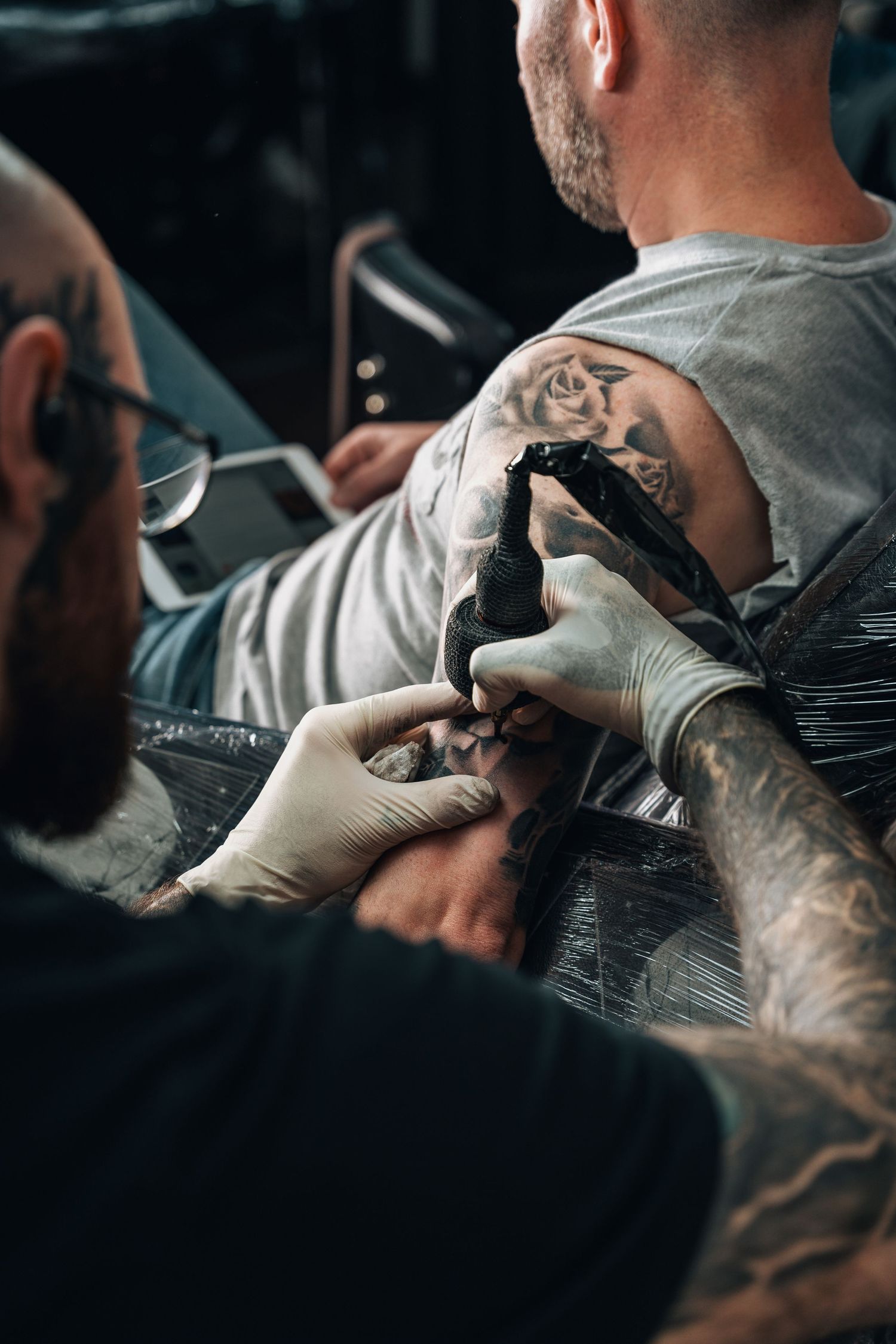
The seasonal checklist
Timing a first tattoo around Piedmont seasons
- Summer booking? Pass: your appointment sits at least three weeks before any planned swimming, lake weekend, or beach trip, because healing tattoos cannot be submerged or sunned. Fail: a fresh piece dated days before the vacation it was meant for.
- Sun plan in place. Pass: the placement lives under clothing for the first two weeks, or your days are mostly indoors. Fail: an outdoor job, a fresh forearm piece, and no way to cover it in July.
- Spring pollen considered. Pass: you know healing skin itches on its own and have not stacked the appointment on top of your worst allergy weeks if you are a heavy sufferer. Fail: scheduling at peak pollen when you know you rub at itchy skin without thinking.
- Fall, the forgiving season. Pass: a fall appointment, when sun is weaker, sleeves return, and healing is simply easier to manage. This is why many artists call autumn the best first-tattoo season in the Carolinas.
- Winter dryness handled. Pass: you are ready to moisturize lightly and often, since heated indoor air dries healing skin. Fail: planning to ignore it and let the piece crack and itch through January.
- Wardrobe checked. Pass: loose, soft clothing can cover the placement without rubbing for the first week. Fail: the piece sits exactly under a bra strap, belt line, or work boot top with no alternative available.
- Event math done. Pass: weddings, photos, and reunions sit at least a month after the appointment, so the piece is healed and settled. Fail: expecting a day-three tattoo, mid-flake, to look good in formal photographs.
Putting it together
None of this needs to become a research project. Pick a design with room to breathe, a placement you can heal honestly, and a date that gives the piece two quiet weeks before your life throws water, sun, or friction at it. For many Gastonia first-timers, that points to fall or early spring; for people with indoor jobs and shaded summers, almost any date works with planning.
A consultation at Ivy Moon Tattoo & Apothecary is the place to test your plan against the real design. Bring the idea, the placement, and your calendar. The artist's job is the drawing; yours is arriving with a season that gives the drawing a fair heal.
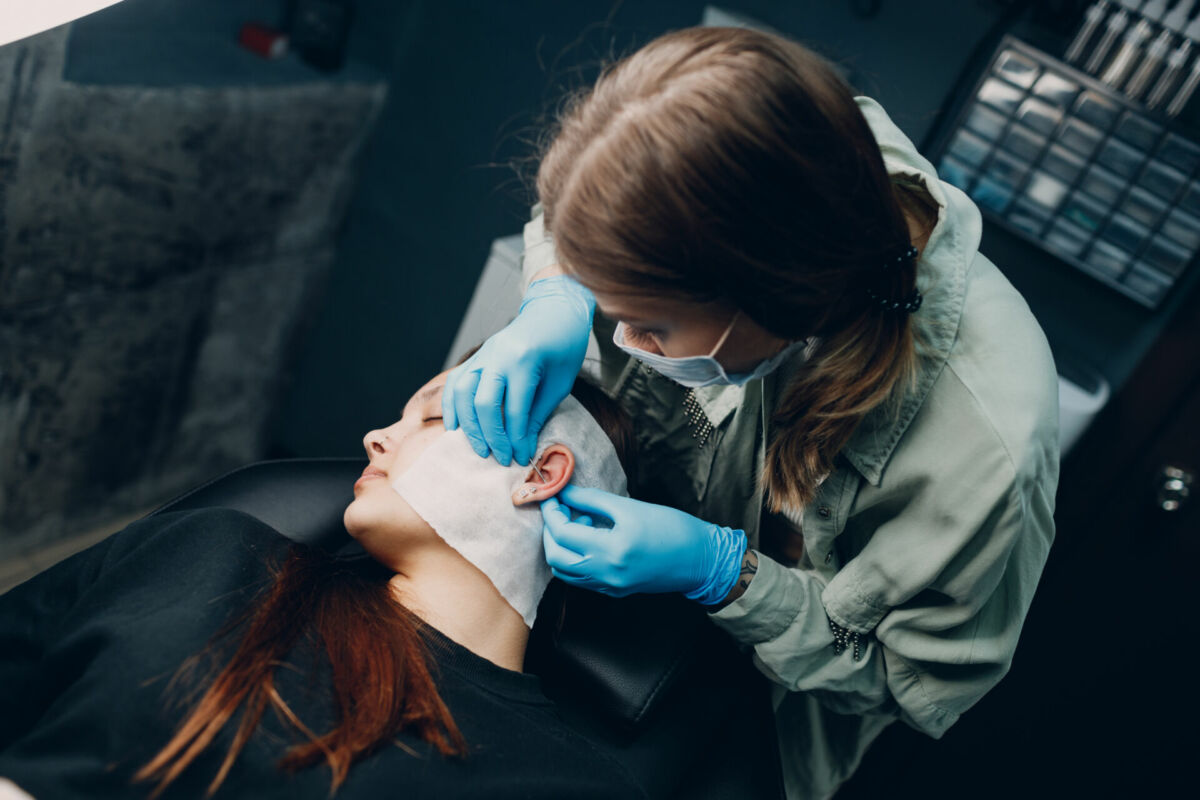
Common questions
What is the least painful spot for a first tattoo?
Generally the outer upper arm and the thigh, where padding is good and skin is less sensitive. Most first-timers handle these easily, especially for a modest first piece.
How far before a beach trip should I get tattooed?
Allow at least two to three weeks of healing, and ideally a full month, so the skin is settled before sun and water. If the trip is fixed and close, move the tattoo, not the trip.
Does the season affect how the tattoo heals, or just comfort?
Both. Summer adds sun, sweat, and swimming pressure during the exact weeks skin is most vulnerable, while fall removes most of those risks. The tattoo itself is the same; the healing environment is not.
Photos in this guide are representative stock images.
← All guides from Ivy Moon Tattoo & Apothecary← Back to Ivy Moon Tattoo & Apothecary