A cover-up is its own craft, and a first-timer walking into a Gastonia shop with an old tattoo and a new idea deserves to know how the process actually runs before the consultation starts. The short version: an artist does not draw over your old tattoo. They design a new piece that uses, hides, and overpowers the old one, and that design work has rules the original tattoo never had to follow.
Here is the walkthrough, step by step, from the first look at the old piece to the healed result, including the three honest options you will be offered and why one of them might be lightening the old work first.
First, the three honest options
Every cover-up conversation sorts into the same three doors. Cover it as it sits: the new design goes directly over the old, which works when the new piece can be bigger, darker, or busier in the right places. Lighten first, then cover: a few laser sessions fade the old ink and widen what the new design can be. Or leave the old piece alone and put the new idea on fresh skin, which is sometimes the answer nobody wanted but everybody needed.
Which door fits depends on the old tattoo's size, darkness, and placement, and on how different the new idea is. A dark, dense old piece dictates a bold new one. A small, faded old piece is a comparatively open field. Artists are not being difficult when they steer the design; they are reading what the old ink allows.
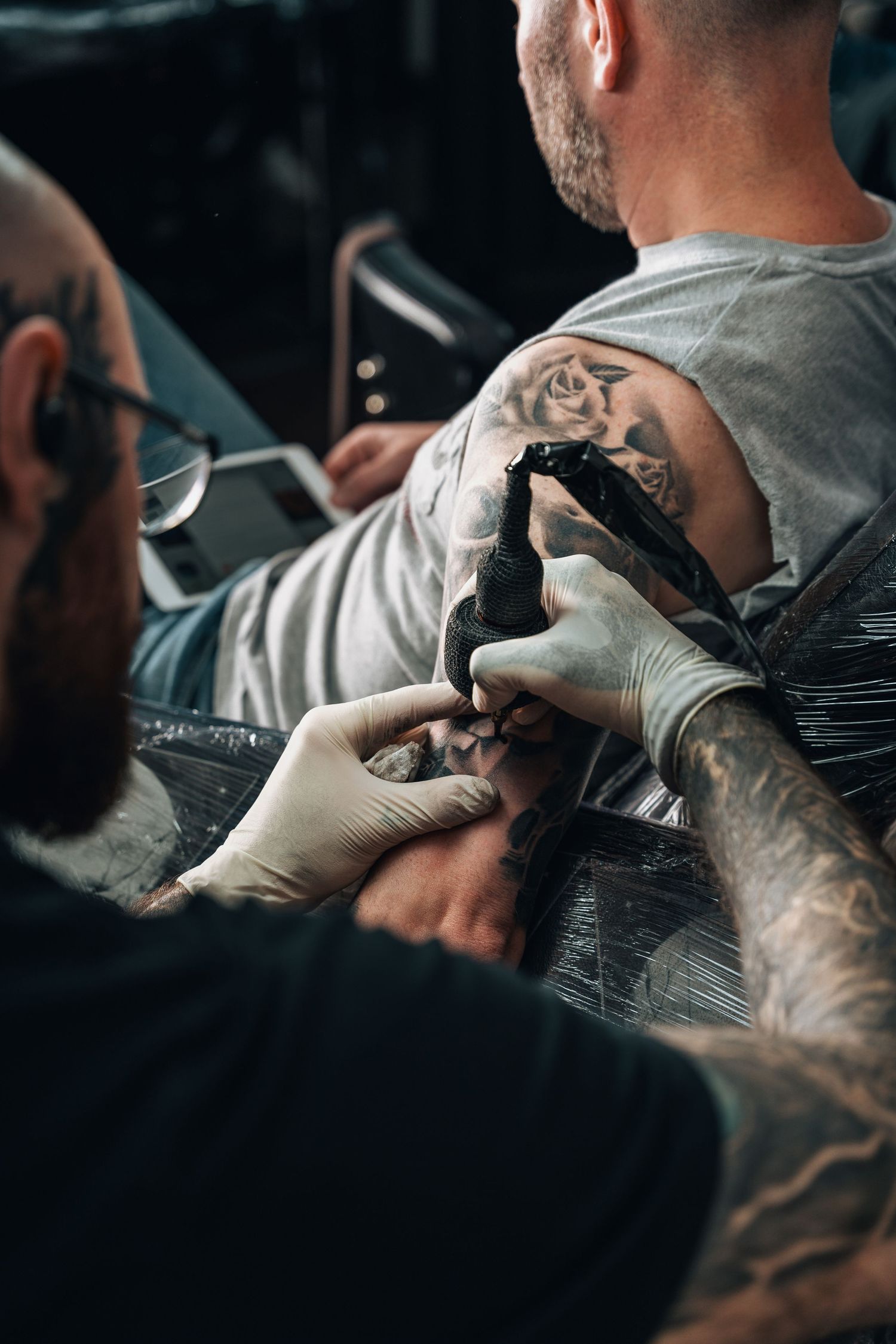
The process, step by step
- The in-person look. The artist examines the old tattoo directly: its size, density, colors, any scarring or raised lines from the original work. Photos do not show texture, so expect this to happen in the shop.
- The honest conversation. You describe the new idea; the artist maps it against what the old piece permits. Designs with flow, texture, and darker zones, think flowers, animals, smoke, and bold traditional work, cover best. Fine, pale, geometric ideas cover worst.
- Size and placement get set. Cover-ups almost always need to extend beyond the old tattoo's borders so the eye reads the new shape first. Agreeing to the larger size now prevents a cramped design that lets the old piece ghost through.
- The drawing. The artist designs over a tracing or photo of your actual old tattoo, placing dark and busy elements exactly where the old ink is heaviest. This is the most skilled stage of the whole job.
- The session or sessions. Larger cover-ups may take more than one sitting. The old piece sometimes shows faintly through fresh work and settles differently as it heals, which the artist anticipates in the design.
- The healed check. After full healing, look together for any spot where the old tattoo still reads. A follow-up pass to reinforce a weak area is a normal possibility in cover-up work, not a failure.
What to bring, and what to expect
Bring an open brief. The clients who get the best cover-ups arrive attached to a direction, a subject, a feel, rather than one exact image that must fit the old tattoo like a key. Bring your timeline too: if lightening is advised first, that adds months, and hearing it at the consultation beats discovering it later.
At Ivy Moon Tattoo & Apothecary, as at any shop that does this work seriously, the consultation is free of pressure and heavy on candor. A good artist would rather tell you a cover-up will not work than sell you one that ghosts through by summer. Expect the new piece to be bolder than your first idea. That boldness is not the artist's taste overruling yours; it is physics, ink over ink, and it is why the result holds. Trust that process, and the finished piece will reward the patience it took.
Common questions
Can any tattoo be covered?
Most can, with the right design, but not all, and not with any design. Very dark, very large, or scarred pieces limit options the most. An in-person consultation gives a straight answer.
Will the old tattoo show through over time?
A well-planned cover-up should keep the old piece from reading as itself. Faint traces can appear in some lights, which is why artists design dark and busy elements over the heaviest old ink.
Does a cover-up hurt more than a regular tattoo?
About the same, though working over scarred or raised old lines can feel different in patches. Sessions may run longer because the design work is more complex.
Photos in this guide are representative stock images.
← All guides from Ivy Moon Tattoo & Apothecary← Back to Ivy Moon Tattoo & Apothecary